
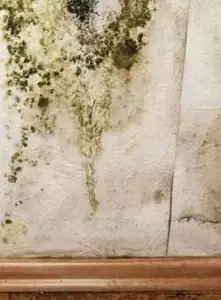
 Mold and Artworks: Essential Tips and Recommendations for Mold Prevention
Knowledge is the single most critical factor in preventing mold damage on paintings—especially in humid coastal environments. Whether you are an art enthusiast, a seasoned collector, or an institutional curator, understanding how mold grows is the first step toward saving your collection from severe, permanent harm.
Without a controlled climate, your artworks will inevitably be exposed to airborne mold spores and active growth at some point. Our goal is to equip art owners with the knowledge needed to identify and address potential issues before their collections suffer irreversible damage.
Why Protecting Your Art Matters
Art is much more than visual decor. It holds cultural, historical, and sentimental value, and often represents a significant financial investment.
Paintings and historic objects are primarily composed of cellulose-based materials (such as cotton, linen, paper, and wood) as well as proteinaceous materials (such as leather, parchment, animal glues, and wool). These organic substances are exceptionally vulnerable to direct attack by microorganisms.
Mold and mildew not only deface the surface visually, but they also digest and weaken the structural substrate. Mold secretes enzymes that break down organic components into simple carbohydrates and peptides to feed itself. This creates a destructive vicious cycle: as more material is consumed, the mold spreads exponentially faster. Even after visible mold colonies are removed, dark staining often remains permanently embedded in the fibers.
Image Note: A vintage photograph severely damaged by mold infestation.
What Does Mold Need to Grow?
Mold spores exist almost everywhere in the air, settled on surfaces, and hidden inside cracks and crevices. While no environment is 100% sterile, you can make your space far less hospitable by controlling the conditions required for spore germination:
- Nutrients: Organic substrates provide the exact nourishment mold needs to thrive.
- Moisture: Water vapor trapped in organic fibers provides the moisture necessary for spores to swell and germinate.
- Temperature: While mold can survive short periods in extreme cold or heat, its optimal growth range is between 25°C and 30°C (77°F–86°F). Because most art collections are displayed at ambient room temperatures (15°C–25°C), climate control is essential.
- pH Levels: Depending on the species, ideal germination occurs at a pH of 4 to 7 (though mold can grow anywhere between pH 2 and 9). Deacidifying a substrate alone will not stop mold if moisture is present.
- Stagnant Air: Poor air circulation creates microclimates where humidity accumulates.
- Darkness: Like most fungi, mold thrives in dim, shaded environments. Direct controlled light exposure can inhibit or redirect the growth of certain mold species.
Identifying Mold on Artworks
- Scent: You will almost always smell mold before you see it. A musty, damp odor indicates active mold growth (dormant spores do not emit a scent).
- UV Light Inspection: Early or light mold growth fluoresces under Ultraviolet (UV) light, making active colonies visible before they are obvious to the naked eye.
- Visual Cues: Look for irregular spots, pigment discoloration, or a velvety, powdery film ranging in color from white, light beige, and greenish-gray to black. These growth patches often resemble smudged dirt that clings to the substrate when brushed.
Image Note: Petri dish displaying at least six distinct mold strains—a work of art in its own right! / Mold growth on canvas artwork.
Proven Strategies for Mold Prevention
Preventing mold is far easier than restoring mold-damaged art. Eliminating environmental triggers is the most effective approach:
- Environmental Controls
- Keep windows closed: Reduces incoming outdoor airborne spores by 3%–5%.
- Use electrostatic filtration: Captures an additional 5%–10% of airborne spores.
- Central Air Conditioning: Reduces spore levels by an additional 15%–20%.
- Relative Humidity (RH) Management
Humidity control is the single most critical factor in mold prevention.
- Keep museum and display areas strictly below 55% RH.
- Maintain ambient RH levels between 45% and 55%.
- Use dedicated dehumidifiers in art storage rooms (they consume significantly less electricity than full air conditioning units).
- Keep ambient room temperatures between 18°C and 20°C (64°F–68°F).
- Airflow & Placement
- Improve Air Circulation: Use HVAC systems or small air purifiers fitted with HEPA filters.
- Maintain Wall Clearance: Never hang artworks directly against cold external walls. Leave a gap of 15 to 18 cm (6–7 inches) to allow proper airflow behind the frame.
- Starve the Mold: Keep artworks clean. Spores feed on accumulated dust, soot, insect residue, and human oils settled on both organic and inorganic surfaces.
Emergency Response & Mold Remediation Steps
If active mold is discovered, act immediately to protect both the artwork and your personal health:
Initial Emergency Actions
- Isolate the Affected Items: Immediately move infected works into isolation to prevent spores from spreading to clean areas. Small works can be placed in sealed containers; larger works can be temporarily covered with plastic sheeting. Seal room vents and windows.
- Handle Damp Items: If items are wet from a flood or leak, dry or freeze them. Point drying fans away from infected art to avoid blowing spores across the room.
- Freezing Caution: Freezing neutralizes active spores on paper and textiles, but NEVER freeze glass, oil paintings, or acrylic paintings. Always seal items in airtight polyethylene bags before freezing.
The 3 Steps of Remediation
Step 1: Fix the Environment
Locate and eliminate the source of moisture immediately (repair leaks, lower room humidity, increase airflow, or hire professional flood/mold remediation specialists).
Step 2: Safe Mold Removal
CRITICAL WARNING: Never brush or rub active, damp mold! Brushing wet mold embeds spores and pigments deep into the canvas or paper fibers, causing permanent staining. Never spray household cleaners on artwork.
- Contact a professional art conservator immediately. Conservators treat mold outbreaks as top emergencies and prioritize them to halt ongoing destruction.
- If professional help is unavailable, research the least invasive methods carefully.
- Always work in a well-ventilated area (preferably outdoors) and wear protective gear, including an N95/HEPA respirator mask, as inhaling mold spores poses serious health risks.
- Know the Medium: Oil paints are resilient but sensitive to chemical solvents; acrylics can react poorly to water; watercolors on paper are extremely delicate and easily destroyed by improper handling.
Step 3: Disinfect & Clean Non-Art Components
Image Note: Artwork severely damaged by moisture and heavy mold infestation.
- Disassemble Framing: Immediately remove moldy paintings from display frames or storage wrappings. Discard infected plastic wrap.
- Cleaning Glass: Disassemble framed works and clean the glass separately in another room using a 10% household bleach solution in distilled water. (Test solutions on a small corner first). Never use bleach or liquids on gilded/leafed frames.
- Artifacts & Objects: Non-painting artifacts can be gently brushed when completely dry using a soft-bristle brush combined with a HEPA-filtered vacuum held nearby to catch airborne dust. Unframed, non-painting objects can be disinfected using a 70% commercial ethanol / distilled water mixture applied lightly with cotton swabs.
- Avoid Alcohol on Oil Paintings: Never apply alcohol to oil paintings, as it can dissolve or permanently alter the paint layer.
What to Avoid During Mold Remediation
Be cautious when searching for DIY solutions online. Much of the advice circulating on forums is outdated or harmful. For instance, some sources suggest cleaning paintings with diluted white vinegar; however, vinegar is acidic and can cause irreversible structural and chemical damage to paper and paint layers.
Trusted Professional Resources:
- MoMA (Museum of Modern Art): Dealing with Wet Contemporary Paintings (emergency guide published following Hurricane Sandy).
- Smithsonian Museum Conservation Institute (MCI): Comprehensive guidelines on artwork care, handling, and disaster response.
If you have questions about preventing mold or treating damaged artworks, the Karo Arts team is always here to provide expert advice and professional conservation assistance.
© All rights reserved to Karo Arts.